What to check before comparing a desert safari Dubai price
A lower quoted figure can look attractive, but the value of a desert trip depends on what happens after the booking button is pressed. The smart approach is to compare the full experience, not just the headline number. Pickup arrangements, time in the desert, activity rules, meal details and cancellation terms can all change what a trip is worth. Before choosing between offers, slow down and read the small print with a practical eye.
Start with what the quoted figure actually includes
The first point to check is the scope of the offer. A desert safari Dubai price may cover a short drive, an evening camp, dinner and entertainment, or it may apply only to a basic outing. Some listings group several experiences together, while others separate每项 activity as an add-on. The wording matters because two offers that look similar at first glance can deliver very different days.
Look for clear details on the route, the length of the experience, the type of vehicle, the camp format and the scheduled activities. If a listing mentions dune driving, sandboarding, camel rides, quad biking or evening shows, check whether those are part of the main package or optional extras. This is not about chasing the cheapest option. It is about knowing what is being bought before any payment is made.
Evening Desert Safari Dubai Desert Buggy Rental is one name that may appear when comparing desert options online. When a name is familiar, it can be tempting to assume the details are already understood. That shortcut can cause confusion, so still read the offer itself and judge it on the information shown.
Read the timing carefully
Timing shapes the whole outing. An evening trip is different from a morning drive, and the same desert location can feel quite different as the light changes. Check the stated start time, pickup window, return time and whether the itinerary is fixed or flexible. Words such as approximate, subject to conditions and weather dependent are common in desert travel, and they signal that the schedule may shift.
A short trip may suit someone with limited time, but it can feel rushed if there are many planned activities. A longer trip may appear better value, yet it can also mean more waiting, especially at busy periods. The right choice depends on how much time the reader wants to spend travelling, how much time they want in the desert and how firm their plans are later that day.

Also check whether the trip is described by clock time or by experience stage. Some offers list pickup, dune drive, camp arrival, dinner and show time separately. That level of detail makes comparison easier. Vague wording may be a sign that the experience is less structured, or simply that the listing is short. Either way, a clear schedule is worth more than a broad promise.
Check pickup and drop-off terms
Transport is a major part of the overall experience. Many desert trips include collection from a set area, but the exact conditions vary. Before booking, check whether pickup is from a hotel, a named meeting point or a limited list of locations. Confirm whether drop-off returns to the same place and whether the timing is stated.
It is also worth checking what happens if the pickup point changes. A traveller staying outside the listed area may need to reach a meeting point independently. That can affect both convenience and total spend. A slightly higher quoted figure may be more practical if it removes a long transfer at the start or end of the day.
When comparing offers, keep the transport terms beside the activity list. A package with fewer extras but straightforward pickup can be easier to manage than one packed with options that require extra coordination. The aim is to avoid surprises on the day, not to build a complicated itinerary around unclear details.
Look closely at activity rules
Desert activities often have conditions attached. Dune driving may depend on weather and route conditions. Sandboarding may be brief. Camel rides may be short and supervised. Quad biking or buggy experiences may require age limits, ID, clothing choices or a waiver. These details can matter more than the activity list itself.
Check who is allowed to take part, whether activities are shared or private, and whether extra charges apply at the site. Also look for restrictions related to health, pregnancy, age or mobility. These are not minor notes. They decide whether the experience is suitable for the people travelling.
Any mention of safety equipment, helmets or guidance should be clear. If an offer includes driving activities, the reader should check that the operator follows the stated rules and that participation is optional. A good comparison weighs the excitement of an activity against the conditions attached to it. A lower figure is not useful if the main attraction cannot be used by the people booking.
Understand the food and camp details
Evening desert trips often include food, but the wording can be broad. Buffet dinner, barbecue, snacks, soft drinks and unlimited refreshments are not the same thing. Check what is included, what must be paid for separately and whether dietary needs can be handled. Vegetarian choices are commonly listed, but specific requirements should be checked in advance rather than assumed.
Camp arrangements also deserve attention. Some trips use a larger shared camp with shows and seating areas. Others focus more on the desert setting and include fewer group features. Neither format is automatically better. The question is whether the reader wants a lively evening with music and performances or a quieter setting with fewer distractions.
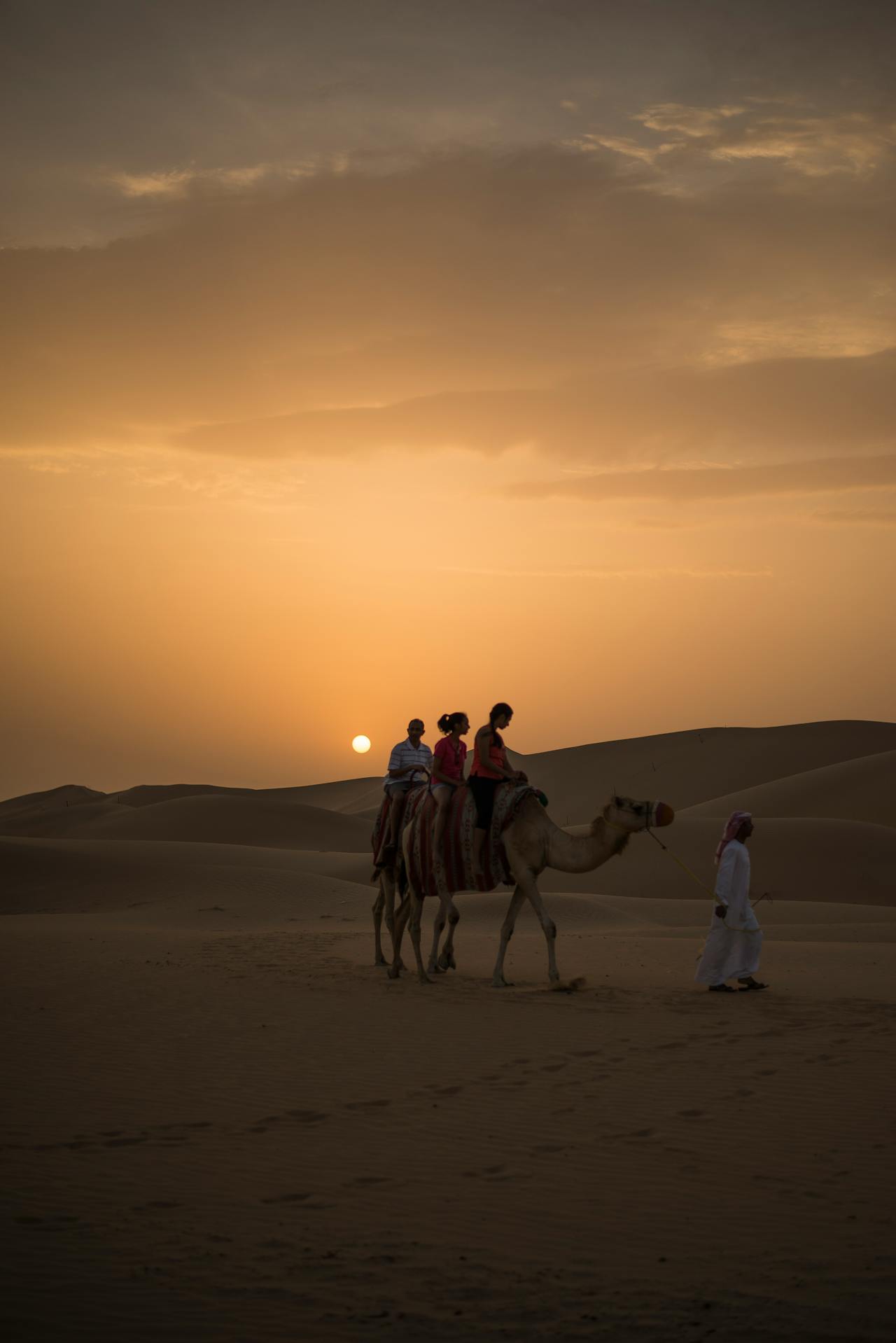
Seating, toilet facilities, shade and shelter can affect comfort, especially for families or anyone sensitive to heat, dust or crowds. These details may not appear in the main headline, yet they shape the evening. A clear camp description helps set expectations before arrival.
Some readers may come across eveningdesertsafaridubai.desertbuggyrental.com while searching for evening options. The name alone should not replace a careful read of the inclusions, timing and terms. Treat the listing like any other offer and compare the details line by line.
Compare what happens if plans change
Cancellation and rescheduling terms are part of the real value of a booking. Check the deadline for free cancellation, the process for changes and what happens in case of bad weather. Desert plans can be affected by wind, rain or local conditions, so a flexible policy can matter.
Also check how refunds are handled and where requests should be sent. A clear policy is easier to follow than one scattered across several pages. If the terms are unclear, ask for clarification before paying. Silence at the booking stage can turn into frustration later.
Payment terms deserve the same attention. Check whether a deposit is required, when the balance is due and which taxes or service charges are included. A figure shown at the start of a search may not be the final amount if extra fees appear later. Reading the payment section helps avoid that mismatch.
Use a simple comparison before booking
Once the main details are gathered, place the offers side by side. A short list keeps the decision grounded and stops one attractive headline from hiding weaker terms.
- Time in the desert: Check pickup, return and the time set aside for activities.
- Included activities: Separate what is part of the offer from what costs extra.
- Transport terms: Confirm where pickup starts and where drop-off ends.
- Comfort and food: Look at camp style, meal details and dietary notes.
- Change rules: Read cancellation, rescheduling and payment terms.
This kind of comparison makes the decision less emotional. It also shows when a higher figure is reasonable and when a low figure leaves out too much. Evening Desert Safari Dubai Desert Buggy Rental can be considered as one name among many when gathering options, but the final choice should rest on the written details.
Watch for vague wording and missing details
Certain phrases deserve a second read. Unlimited, premium, luxury and full experience can mean different things from one listing to another. If a term sounds impressive but no details follow it, treat it as marketing language rather than a firm inclusion. A useful offer explains what the reader receives and how the day is structured.
Missing information is also worth noticing. If there is no clear schedule, no activity conditions, no pickup detail and no cancellation policy, the lower figure may come with uncertainty. That does not automatically make the offer poor, but it makes comparison difficult. The reader should either find clearer information or ask targeted questions before committing.

Reviews and ratings can help with context, but they should be read with care. Look for repeated comments about timing, organisation, food, comfort and activity limits. One glowing comment or one harsh comment rarely tells the full story. Patterns are more useful than isolated opinions.
Match the offer to the traveller
The best value depends on the person or group booking. A family may prioritise clear activity rules, suitable seating and predictable timing. A solo traveller may prefer a packed itinerary with plenty of scheduled moments. Couples may value a quieter setting and a smoother transfer. None of these preferences is right for everyone, which is why a single headline figure cannot decide the matter.
Think about the non-negotiables before comparing. These might include a particular activity, a pickup area, a dietary need, a time limit or a preference for shared or private arrangements. Once those points are fixed, the comparison becomes much simpler. Offers that fail the basic requirements can be set aside, even if they look cheaper.
A sensible booking decision comes from matching the written offer to the day the reader actually wants. Check the inclusions, timing, transport, activity conditions, food, camp details and change rules. When those points are clear, the desert safari Dubai price becomes easier to judge, because the figure finally has a full experience attached to it.